Types of tests
The scope of the VN Engineering construction testing laboratory includes:
- the physical and mechanical properties of aggregates and construction soils, fresh and hardened concrete, mortars, asphalt mixtures and laid asphalt layers;
- adhesion testing of sprayed concrete, tile adhesives and waterproofing;
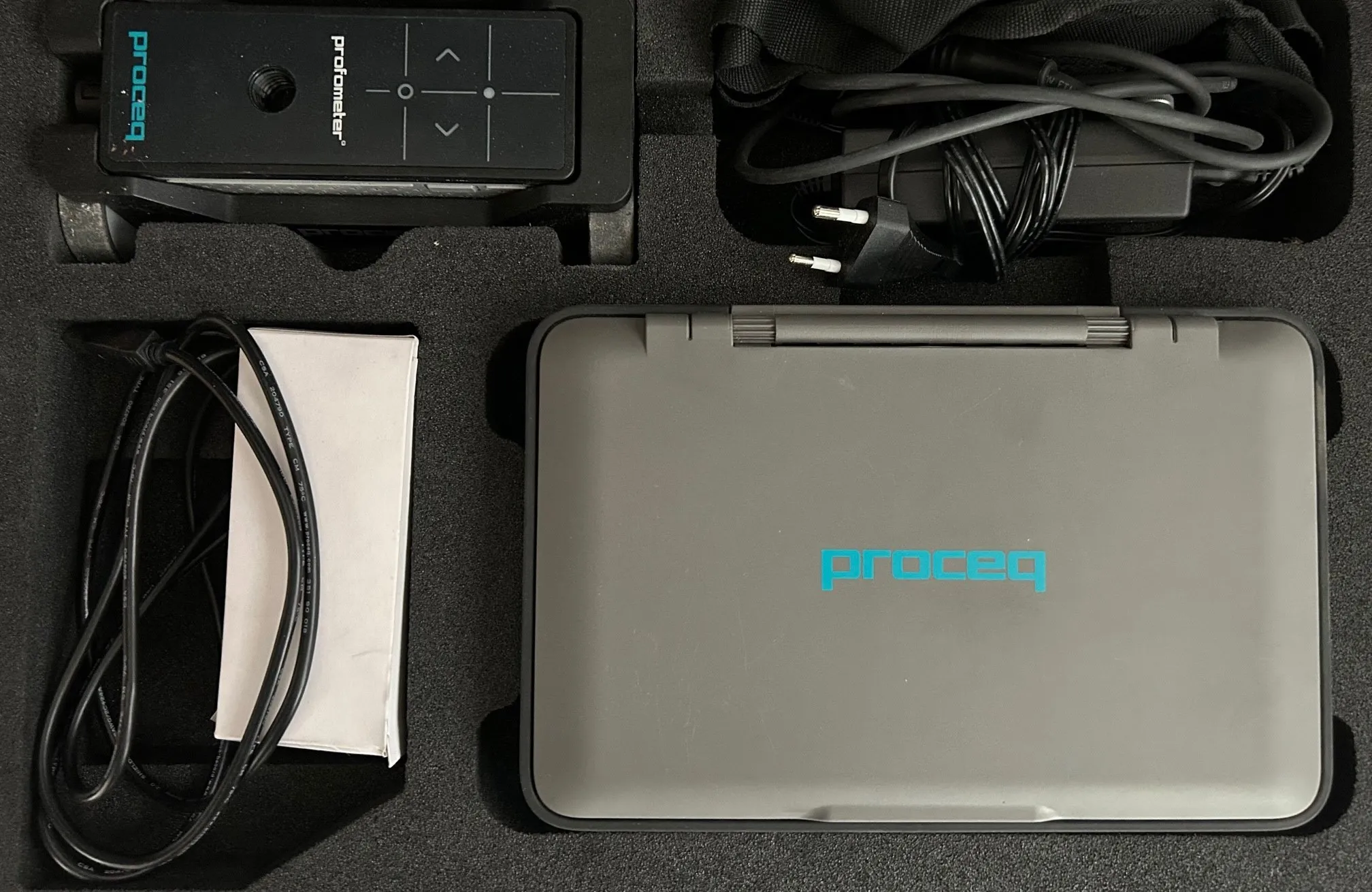
- the size, location and concrete cover of reinforcement in existing reinforced-concrete elements.
01Laboratory
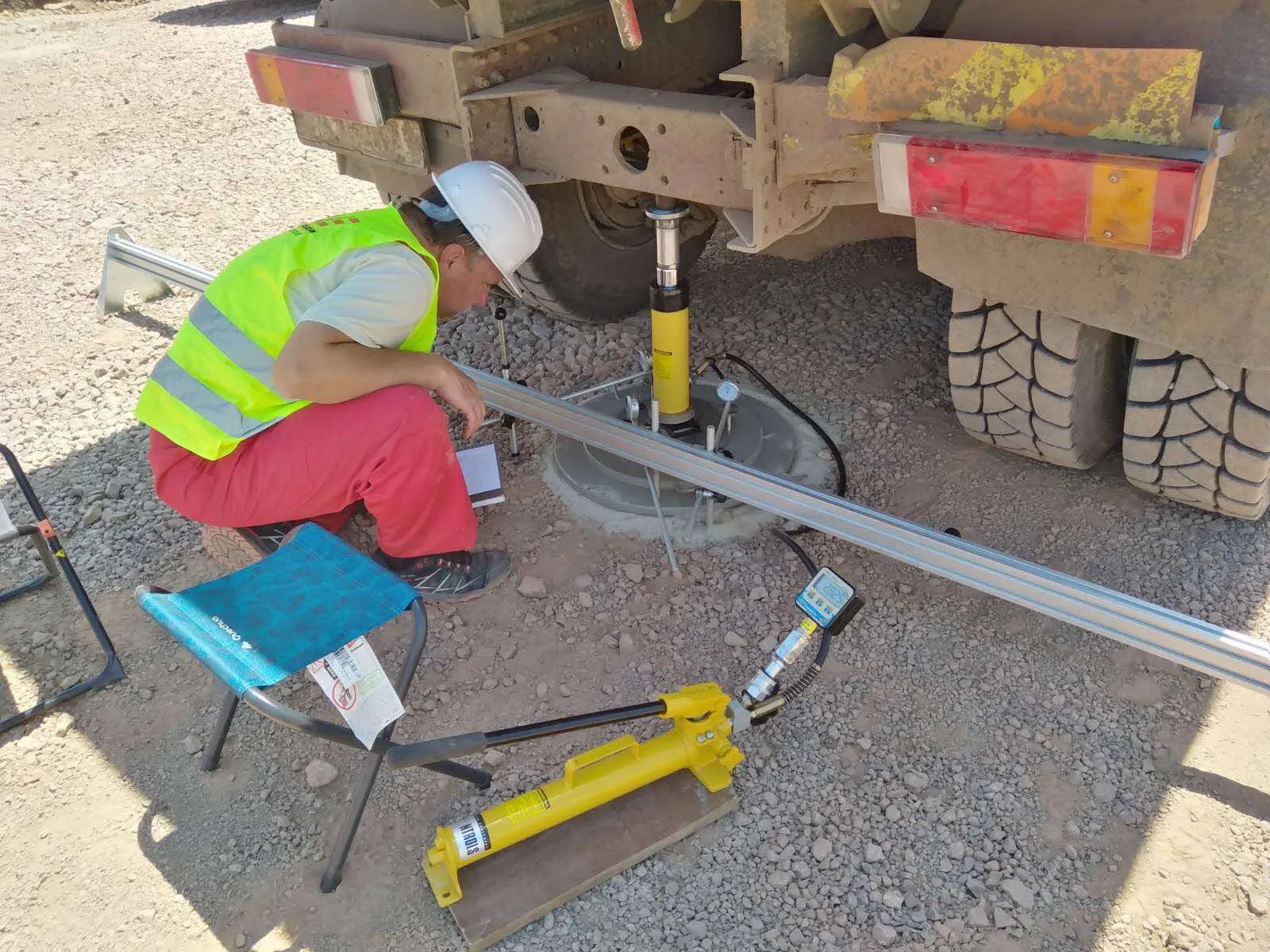
Field testing during construction
Measurements on site determine:
- 1.1bearing capacity and deformation properties of the subgrade by plate load test
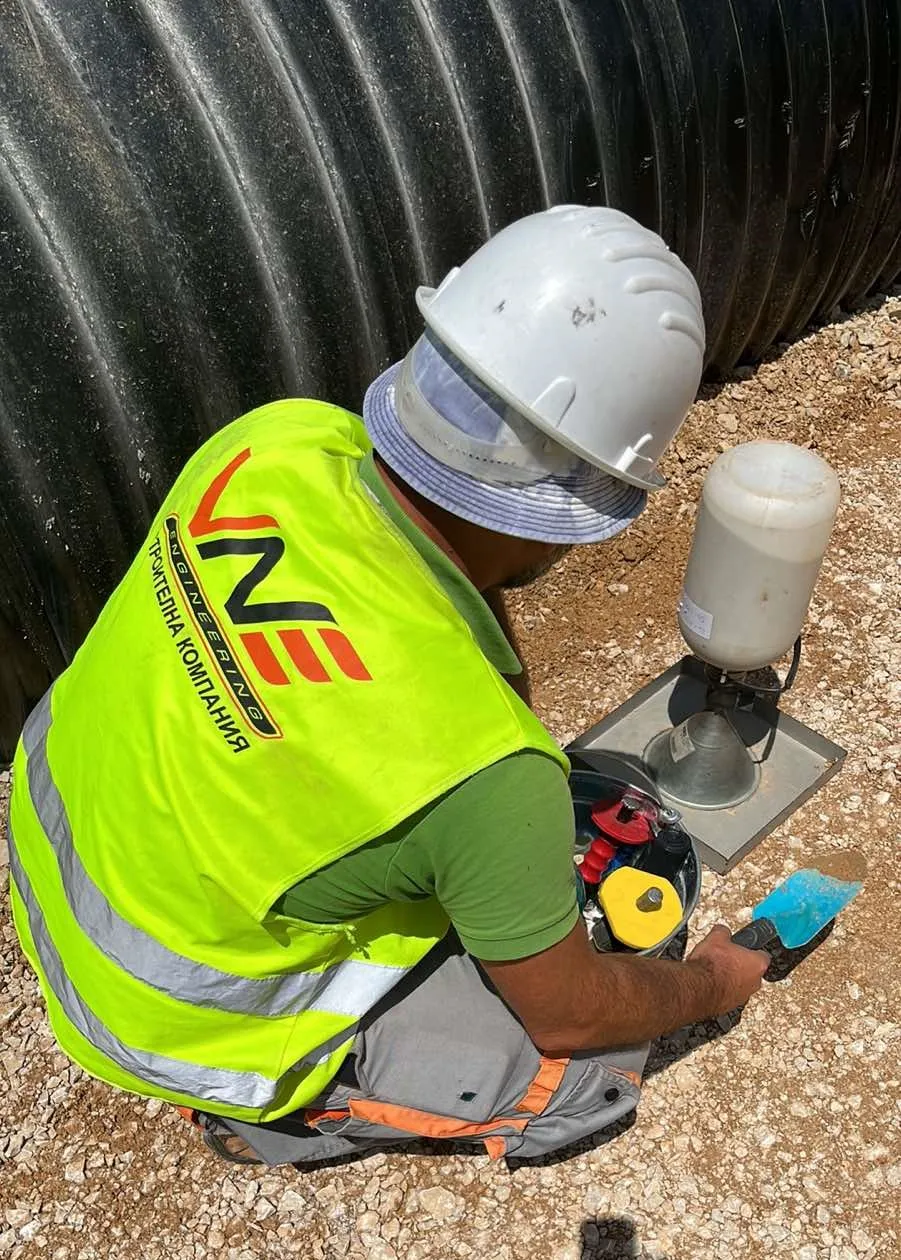
- 1.2degree of compaction of fill layers by core cutter or sand replacement
- 1.3California Bearing Ratio (CBR) determined in situ
- 1.4fresh concrete at the point of placement (consistency, density, placing temperature, etc.)
- 1.5evenness and deflection of asphalt pavements
- 1.6strength and applied thickness of sprayed concrete
- 1.7bond of waterproofing and repair materials to the substrate
02Laboratory
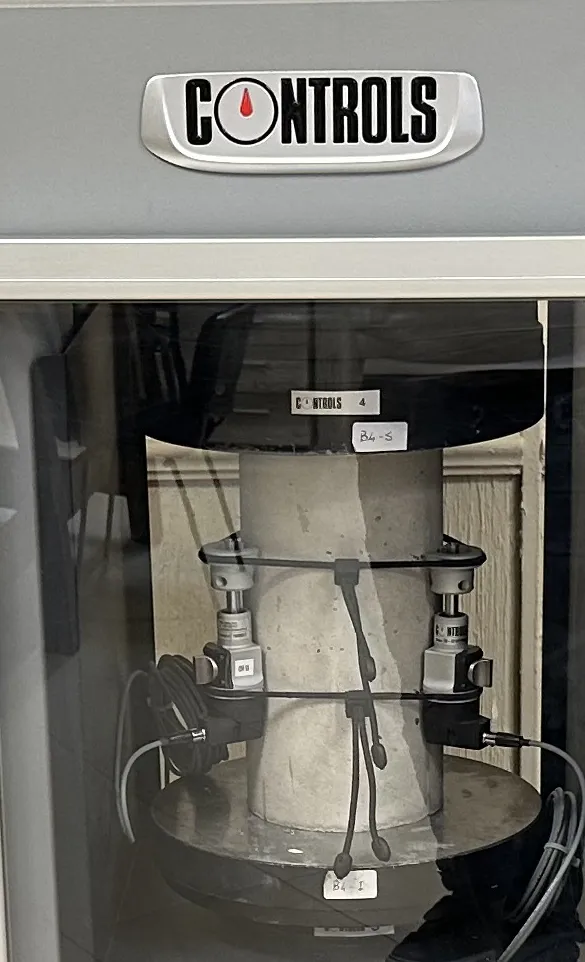
Laboratory testing
Testing in the laboratory includes:
- 2.1strength, deformation characteristics and water tightness of hardened concrete
- 2.2the full range of tests needed to classify construction soils and aggregates for fills, concrete and asphalt mixtures
- 2.3thickness, density and deformation characteristics of laid asphalt
- 2.4void and binder content of asphalt mixtures
- 2.5strength and adhesion of mortars and adhesives
03Laboratory
Non-destructive testing of existing structures
Non-destructive testing of existing elements includes:
- 3.1checking the strength of concrete
- 3.2locating reinforcement in concrete and determining its characteristics
- 3.3assessing the corrosion potential of embedded reinforcement
- 3.4measuring the thickness of non-magnetic coatings on steel (fire-protective paints, primers, etc.)
- 3.5measuring the surface moisture of reinforced-concrete elements